Electrical Safety
Planning a Home EV Charger Without Guessing at Panel Capacity
Review panel capacity, charging needs, circuit routing, and equipment compatibility before adding home electric-vehicle charging.
2 min read
Choose charging around your routine
The highest advertised charging rate is not always necessary for a household. Daily driving, parking location, overnight charging time, vehicle limits, and the electrical supply all affect the choice. An electrician can help compare a practical installation with the capacity the home can safely support.
Check the electrical system
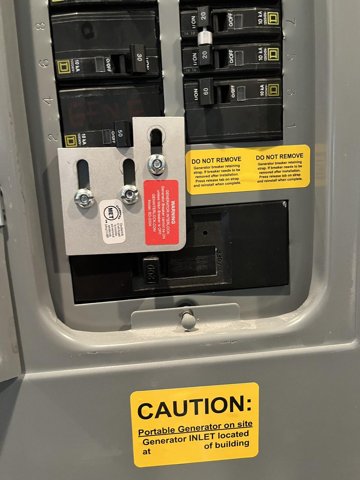
Available breaker spaces do not prove that the service has enough capacity. A load assessment and review of existing equipment help determine the installation requirements. Circuit ratings, wiring route, equipment instructions, and protective devices need to match. Where supported and appropriate, managed charging may be part of the design; it should not be assumed for every charger.
Plan the location and finish
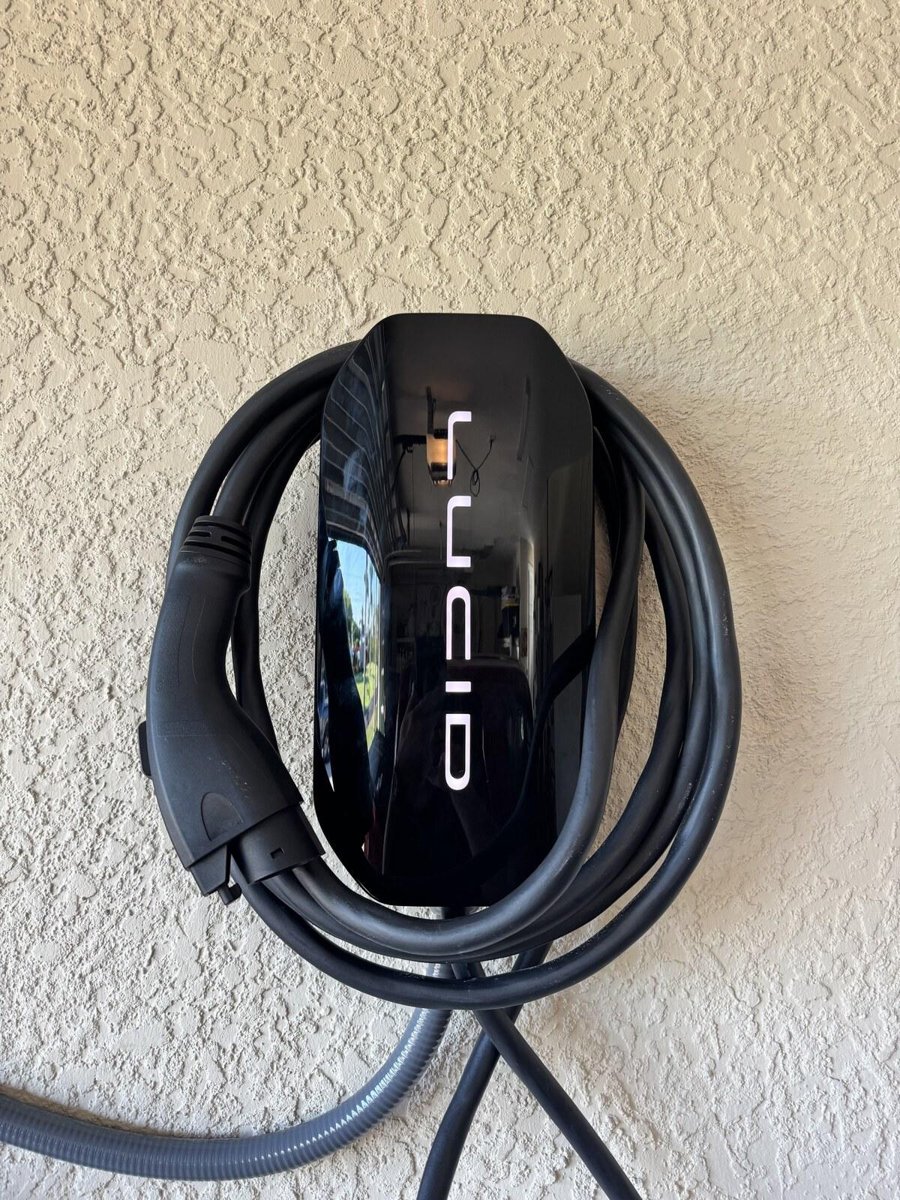
Cable reach, walking paths, weather exposure, garage use, and physical protection influence placement. Hardwired and receptacle-connected installations have different considerations. The estimate should identify equipment responsibility, circuit work, any panel modifications, permits, and finish repairs. Avoid temporary adapters or improvised wiring as a permanent charging solution.
Compare complete installation costs
Compare proposals for the same charging equipment and electrical work, not just the price of the charger itself. Long cable routes, concrete or wall penetrations, panel changes, service limitations, and required permits can affect the project. Ask which equipment you supply and whether its installation instructions have been reviewed. If future vehicles or solar and battery equipment are being considered, mention them during planning so the proposed work can be evaluated in the wider context of the home.
Think about a future move
If the charger may be removed when the property is sold, discuss what remains, how the circuit will be made safe, and whether the next owner will receive equipment or only infrastructure. VoltWave Electric can evaluate home charging projects in Cape Coral and surrounding areas and explain the scope before installation.
Planning EV charger installation in Cape Coral
For a Cape Coral home EV charger estimate, share the charger model, parking location and electrical panel information. Ask your electrician to review available capacity, cable routing and applicable installation requirements before assuming an existing outlet or circuit will be suitable.
Discuss your project with VoltWave ElectricCommon questions
Does a 200 amp panel automatically have room for an EV charger?
No. The existing loads and installation conditions still need to be evaluated.
Can I move my charger to another house?
Possibly, but both removal and the new installation need to be assessed. The new home may require a different circuit or equipment arrangement.
Planning a project?
Schedule a consultation with VoltWave Electric or contact us to request an estimate. Share your city, the service you need, and a few project photos so we can discuss the next step.