Backup Power
Portable Generator Inlets and Panel Interlocks
Learn the difference between a generator inlet and an outlet, how a compatible panel interlock works, and what a safe installation needs.
2 min read
Connect portable power through the right equipment
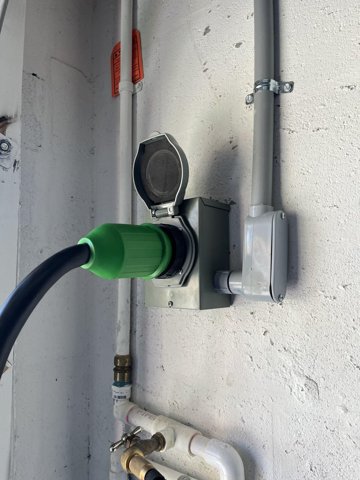
A generator inlet is the connection point that accepts power from a portable generator through a compatible cord. It is different from a household outlet. A properly designed installation includes a means of preventing utility and generator sources from energizing the panel together. Never connect a generator to a wall outlet or use a male-to-male cord.
Why the panel matters
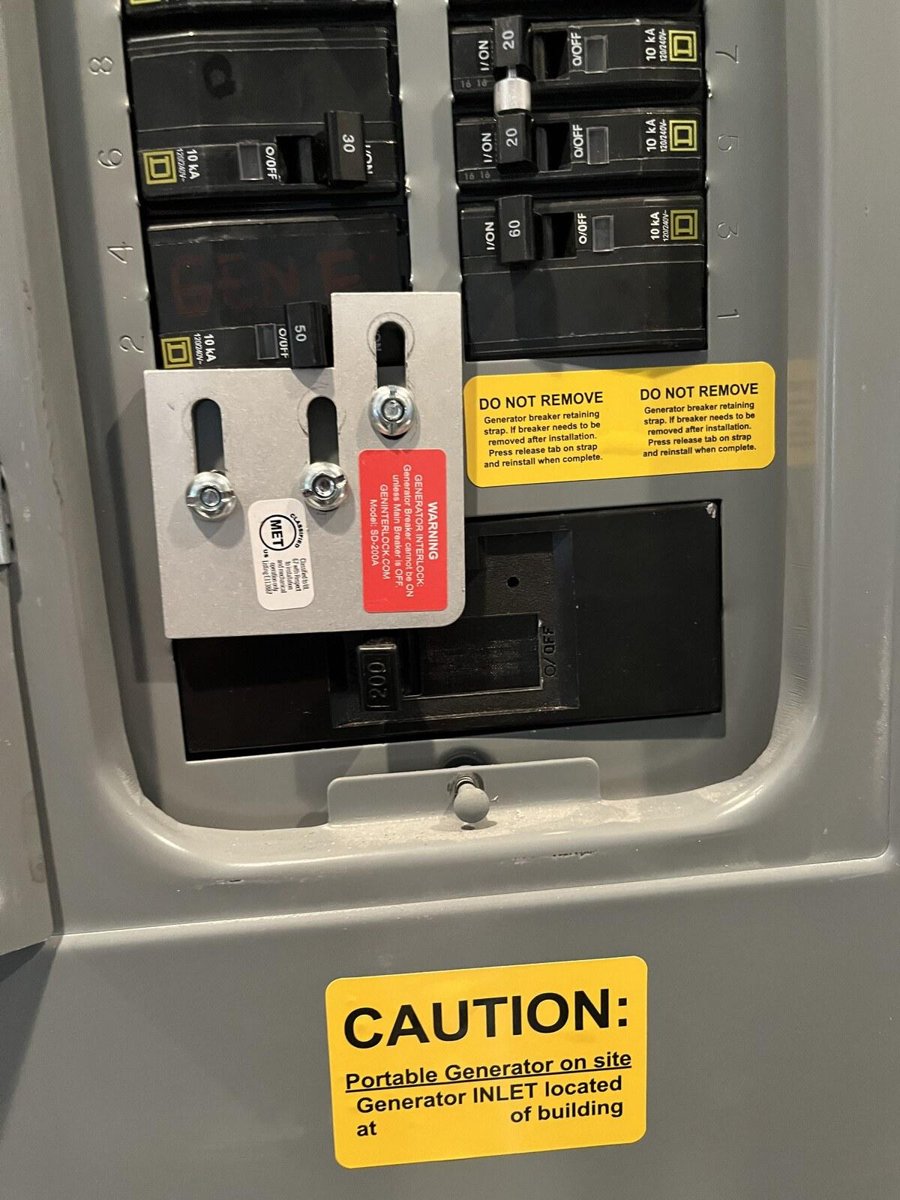
A panel interlock is a mechanical arrangement designed for a specific compatible panel configuration. It prevents the main and generator breakers from being on simultaneously when installed and used correctly. It is not a universal accessory and should not be improvised. Other installations use a transfer switch. An electrician must determine the appropriate method, neutral treatment, grounding, breaker arrangement, and applicable requirements.
Match the inlet to the system
A 50 amp inlet does not turn a smaller generator into a larger one. Generator output, voltage, receptacle, cord, wiring, breaker, and load plan must work together. The installation should include clear labeling and operating instructions. The estimate should say whether the generator cord is included, along with the inlet, interlock or transfer equipment, wiring, and any permit requirements.
Prepare for the first use
Ask for a walkthrough of the approved operating procedure after installation and keep that procedure available during an outage. The homeowner should know the selected load limits, where the generator can safely operate, and how the system returns to utility power. Do not make neutral-bond changes or electrical modifications based on a generic internet diagram. Portable generators vary, and the connection design must account for the specific model. If the generator changes later, ask whether the existing connection remains appropriate.
Keep generator operation outdoors
Portable generators create lethal carbon monoxide. Follow the manufacturer instructions and CPSC guidance: operate outdoors at least 20 feet from homes and buildings with exhaust directed away from openings. Never run one inside a garage, even with its door open, or on a porch. Use working CO alarms and a safe operating location. VoltWave Electric can assess the electrical connection for your Cape Coral home before storm season.
Discussing a generator connection in Cape Coral
A Cape Coral electrician needs the portable generator model and panel information before recommending an inlet, compatible interlock or transfer switch. Include photos of the proposed outdoor operating location when requesting an estimate; electrical compatibility and a safe generator location are separate parts of the plan.
Discuss your project with VoltWave ElectricCommon questions
Can I choose 30 or 50 amps based on price alone?
No. We need the generator specifications and panel information to select compatible equipment.
Does an interlock start the generator for me?
No. A typical portable-generator interlock installation is manually operated.
Planning a project?
Schedule a consultation with VoltWave Electric or contact us to request an estimate. Share your city, the service you need, and a few project photos so we can discuss the next step.